
 English
 中文简体
 русский
 Bahasa Melayu

Can Better Film Quality Control Reduce Waste in Plastic Processing?
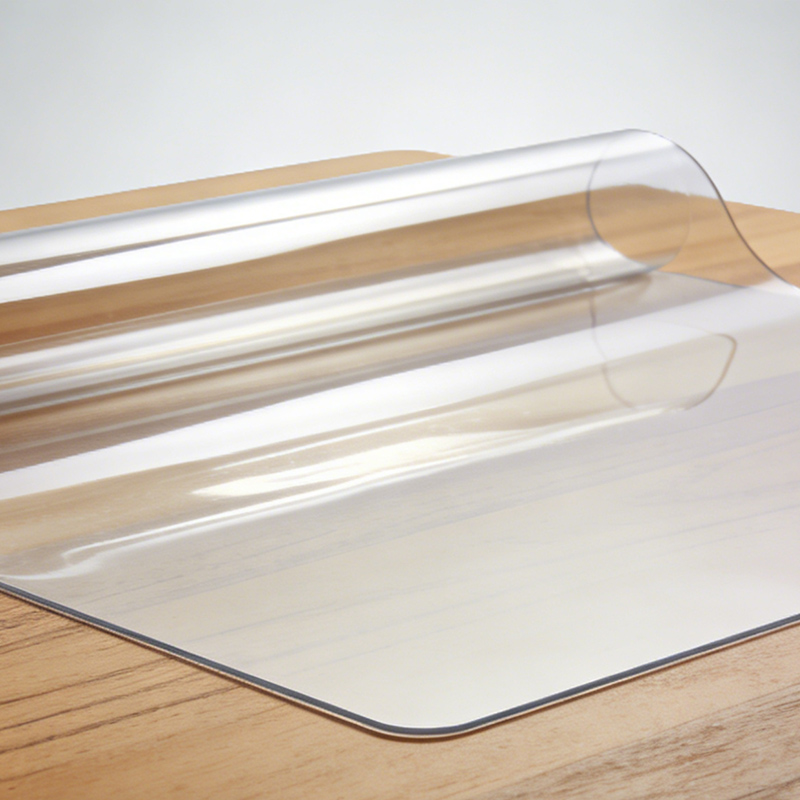
In plastic processing, material waste does not always come from incorrect machine settings or operator mistakes. Inconsistent film thickness, damaged roll edges, surface defects, and changes in material behavior can also affect cutting accuracy and production efficiency. For manufacturers purchasing transparent film in bulk, these issues may advance to rejected parts, additional adjustments, and delays in order fulfillment. Establishing clear material requirements before production begins helps both suppliers and buyers maintain a more predictable manufacturing process.
Identify the Causes of Material Waste
Waste can occur at several stages, including roll handling, unwinding, cutting, forming, and final inspection. A film that feeds unevenly through processing equipment may require repeated adjustments, while surface marks can become more noticeable after the material is shaped or installed.
When evaluating PVC Super Clear Film, buyers should consider not only the appearance of an unused sample but also how the material performs under actual production conditions. Testing representative samples can help identify potential problems before a large order enters the processing line.
Maintain Consistent Thickness Across the Roll
Thickness variation can influence how film behaves during cutting, folding, and forming. If different sections of a roll respond differently to the same machine settings, operators may need to make adjustments that interrupt production.
Manufacturers can address this risk by defining nominal thickness, acceptable tolerances, and suitable inspection procedures. Buyers should communicate these requirements clearly rather than relying on a general description such as “standard thickness.”
For repeat orders, keeping the approved specification consistent also makes it easier to compare incoming materials and investigate differences between batches.
Protect Surface Quality During Production
Transparent film makes surface imperfections particularly noticeable in applications where appearance matters. Scratches, contamination, pressure marks, and damaged edges may affect the usability of otherwise suitable material.
Manufacturing control should therefore extend beyond the formulation itself. Film winding, handling, packaging, and storage all deserve attention because damage can occur after the material has been produced.
Before shipment, inspection procedures should cover visible surface condition and roll integrity. Protective packaging can further reduce the risk of damage during handling and transportation.
Match Film Properties to Processing Equipment
Different production lines may use different cutting tools, forming temperatures, feed systems, or joining methods. A film suitable for one process may require adjustments when introduced into another.
Before confirming a bulk order, buyers should provide information about the intended processing method and finished product. Sample trials can then help determine whether the selected material works with existing equipment.
Important points to review include:
- Compatibility with cutting and forming methods
- Feeding performance during continuous processing
- Appearance after bending or shaping
- Suitability for the intended joining method
- Material behavior under normal operating conditions
These checks help establish practical processing parameters before full production begins.
Improve Roll Identification and Material Handling
Poor roll identification can create avoidable problems when several film grades are stored in the same facility. Similar-looking transparent materials may have different thicknesses, formulations, or intended uses.
Manufacturers and buyers should maintain clear product codes and labels that correspond to the approved specifications. During receiving and storage, staff can verify the roll identity, dimensions, packaging condition, and order documentation before releasing the material for production.
Organized storage also helps prevent unnecessary handling and reduces the chance of selecting the wrong grade.
Build Repeatability Into Quality Inspection
A reliable supply process depends on more than approving one sample. Production teams need defined criteria that can be applied consistently across manufacturing batches.
For PVC Super Clear Film, inspection may include thickness measurement, width verification, visual checks, and confirmation of packaging and product identification. The exact inspection plan should reflect the material specification and its intended use.
Maintaining inspection records gives manufacturers a practical reference for reviewing recurring issues and improving process control. For buyers, agreed acceptance criteria make incoming inspections more objective and help clarify expectations for future orders.
Turn Material Specifications Into Better Production Results
Reducing waste starts with matching the film to its application and maintaining control throughout manufacturing, handling, and delivery. As a manufacturer, we consider material specifications, production consistency, surface protection, and inspection requirements together rather than treating them as separate concerns. Overseas buyers who communicate their processing conditions and acceptance criteria early can make more informed purchasing decisions and build a more consistent supply process for transparent film products.

Copyright © Dongyang Lishi Plastic Co., Ltd.
