
 English
 中文简体
 русский
 Bahasa Melayu

What Should Buyers Check Before Choosing Clear PVC Film for Industrial Use?
Transparent plastic film is used in a wide range of applications, from product packaging and protective covers to display materials and industrial components. Buyers often prioritize visual clarity, but transparency alone does not determine whether a film is suitable for a particular project. Thickness consistency, flexibility, surface condition, and compatibility with downstream processing can all affect the finished product. For manufacturers and procurement teams, understanding these factors before placing an order helps reduce material waste and makes it easier to match film specifications with real production requirements.
Define the Application Before Selecting the Material
Different applications place different demands on transparent film. A protective cover may need flexibility and resistance to repeated handling, while a packaging application may place greater emphasis on appearance, forming behavior, or sealing compatibility.
Before requesting a quotation, buyers should explain how the film will be used, whether it will be folded or shaped, and what conditions it will encounter during storage and operation. These details help manufacturers determine which material formulation and thickness range are appropriate.
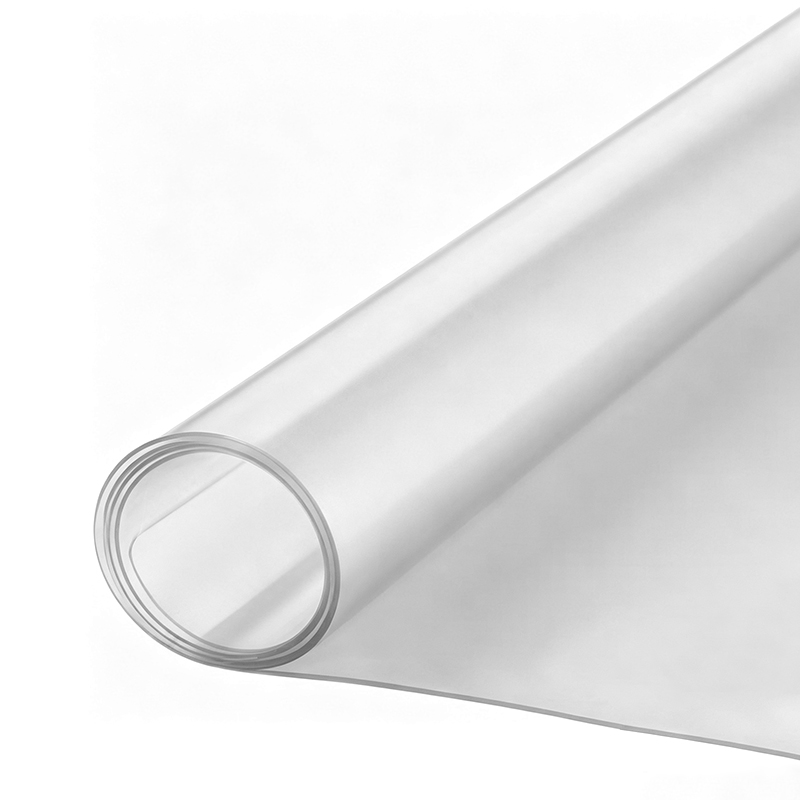
When evaluating PVC Super Clear Film, procurement teams should also distinguish between general-purpose transparency and the specific optical appearance required by the finished product. Clear application requirements make sample testing more relevant and reduce the risk of choosing a material based only on its initial appearance.
Evaluate Transparency and Surface Appearance
A film may appear clear when viewed as a loose sheet but behave differently when stretched, folded, laminated, or placed against another surface. Surface marks, haze, small inclusions, and uneven thickness can influence the visual quality of the finished application.
Manufacturers should establish suitable inspection criteria for the intended product. Buyers can evaluate representative samples under consistent lighting and compare them with the appearance requirements of the final application.
It is also useful to clarify whether the project requires a particular level of optical clarity or simply a clean, transparent appearance. This distinction helps avoid unnecessary specification complexity while ensuring that the supplied material meets the actual requirement.
Match Thickness to Performance Needs
Film thickness affects handling, flexibility, stiffness, and suitability for different processing methods. A thinner film may be easier to fold or form, while a thicker grade may provide a more substantial structure for certain protective applications.
However, thickness should not be selected in isolation. The final result also depends on product geometry, forming conditions, temperature, and how the film is supported or attached.
Buyers should specify the required nominal thickness and any applicable tolerance. Manufacturers can then assess whether the selected grade is appropriate and establish dimensional checks during production. Consistent thickness across the roll helps downstream processors maintain more predictable settings.
Consider Flexibility and Processing Compatibility
Transparent PVC film may be cut, folded, welded, laminated, or formed depending on the grade and intended application. Not every formulation is equally suitable for every processing method, so compatibility should be confirmed before bulk purchasing.
For example, a film used for a formed cover may need to maintain its appearance after bending, while a material intended for joining may require testing under the selected sealing conditions.
Useful checks include:
- Whether the film can withstand the intended folding or forming process
- Whether the material remains visually acceptable after processing
- Whether the selected thickness works with existing equipment
- Whether joining or sealing conditions need adjustment
- Whether samples behave consistently under representative production conditions
These checks help buyers identify processing issues before committing a large quantity of material.
Review Material Stability and Storage Conditions
PVC film properties can be influenced by formulation, processing, temperature, and storage conditions. Buyers should therefore confirm the supplier’s recommended storage practices and any relevant limits on handling or use.
Rolls should be protected from contamination, unnecessary pressure, and conditions that may affect their surface or shape. During receiving inspection, procurement teams can check roll packaging, visible damage, identification labels, and the consistency of the delivered specification.
Manufacturers should also maintain appropriate production and inspection records so that material variations can be investigated when questions arise.
Establish Quality Requirements for Repeat Orders
For converters and distributors, one shipment is rarely the only concern. The material needs to remain consistent enough for future production runs, particularly when customers depend on a defined appearance or processing setup.
Buyers should document thickness, width, surface appearance, packaging, and other critical requirements in the purchase specification. Manufacturers can use these details to guide production checks and compare subsequent batches with the approved sample.
Clear identification of each material grade also helps prevent confusion when several transparent films with different specifications are stored in the same warehouse.
Choose Film Based on the Finished Application
Selecting transparent PVC film requires a balance between appearance, dimensions, flexibility, processing behavior, and storage requirements. For overseas buyers, discussing these factors with a PVC film manufacturer before ordering helps turn a general material request into a clear technical specification. A well-matched film can support more consistent downstream processing, reduce avoidable material losses, and provide a more dependable foundation for the finished product.


Copyright © Dongyang Lishi Plastic Co., Ltd.
