
 English
 中文简体
 русский
 Bahasa Melayu

How Can Proper Storage and Handling Maintain PVC Book Cover Film Quality?
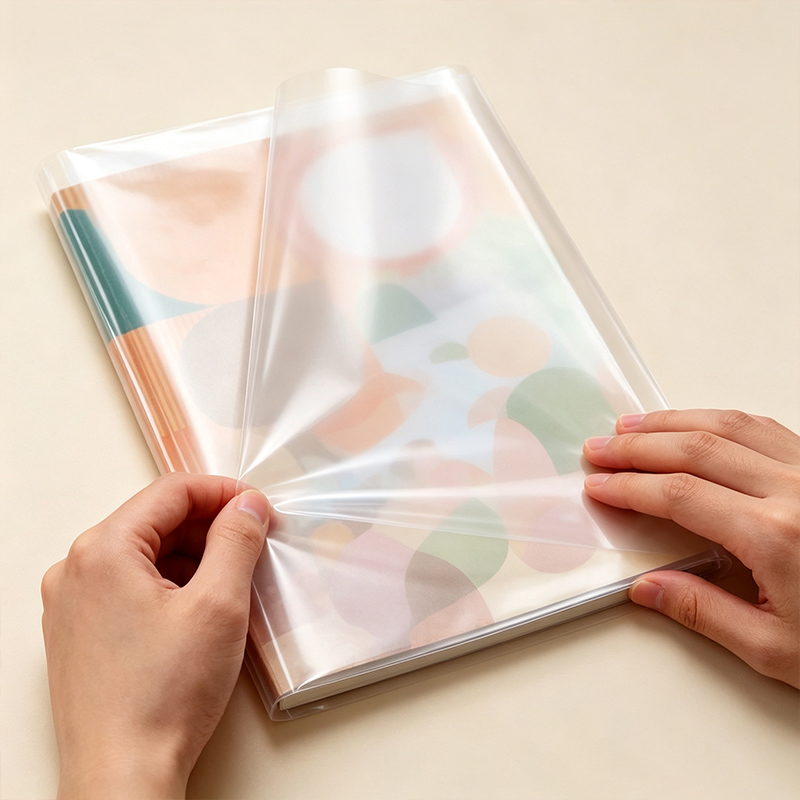
For printing companies and bookbinding manufacturers, purchasing suitable film is only one part of maintaining consistent production quality. Storage, transportation, and material handling can also influence the condition of covering films before they reach the lamination line. Improper handling may advance to surface scratches, roll deformation, contamination, or processing difficulties. When sourcing PVC Film for Book Covering, overseas buyers should consider not only product specifications but also how the material is packaged, transported, and stored. A well-managed supply process helps protect purchased materials and reduces avoidable production interruptions.
Why Do Storage Conditions Matter?
PVC film should be stored according to the manufacturer's recommendations to maintain its intended physical and surface characteristics. Excessive heat, direct sunlight, moisture, and unsuitable storage environments may affect material condition over time.
Printing companies should keep film rolls in their original packaging until they are ready for use. Storage areas should be clean, dry, and protected from unnecessary temperature fluctuations.
Proper storage also helps prevent dust and foreign particles from accumulating on the film surface, which could otherwise affect the appearance of laminated book covers.
How Can Buyers Prevent Roll Damage During Transportation?
Film rolls can be exposed to pressure, impact, and friction during loading, unloading, and transportation. Damaged packaging or improper stacking may cause deformation or surface marks.
To reduce these risks, buyers and logistics teams should pay attention to:
- Using protective packaging suitable for the roll dimensions.
- Preventing direct impact during handling.
- Avoiding excessive stacking pressure.
- Securing rolls properly during transportation.
- Checking packaging condition when goods arrive.
Clear packaging requirements should be agreed upon before shipment, particularly for international bulk orders.
Why Is Batch Consistency Important for Printing Production?
Printing factories often purchase covering materials in multiple batches. Noticeable differences in thickness, transparency, or surface finish can create difficulties when processing the same book design over time.
Manufacturers should maintain appropriate production controls and inspect finished rolls against agreed specifications.
For procurement teams, retaining approved samples and recording batch information can make repeat purchasing easier. If a quality issue occurs, traceable product records also help identify the affected materials.
What Should Be Checked During Incoming Material Inspection?
Before releasing newly delivered film for production, purchasing and quality teams should conduct basic incoming inspections.
Important checkpoints include:
- Roll width and film thickness.
- Surface cleanliness and visible defects.
- Packaging integrity and roll condition.
- Transparency and finish consistency.
- Product labels and batch identification.
These checks help identify potential problems before materials enter the production process.
How Can Manufacturers Improve Supply Reliability?
A reliable PVC film supplier should understand the importance of both manufacturing quality and product delivery conditions. Consistent specifications, suitable packaging, clear labeling, and accurate order documentation all contribute to smoother procurement.
For customized orders, buyers should communicate roll dimensions, film thickness, surface finish, packaging preferences, and transportation requirements in advance.
As manufacturers, we consider these details part of the overall product supply process. Proper coordination helps ensure that materials arrive in a condition suitable for subsequent processing.
Is Your Current Film Supply Process Protecting Product Quality?
Maintaining book cover quality requires attention throughout the supply chain, from film production to final storage at the printing facility. Even suitable materials can encounter avoidable problems when packaging, transportation, or handling requirements are overlooked.
When purchasing PVC Film for Book Covering, overseas distributors and printing companies should evaluate manufacturing consistency, packaging standards, batch traceability, and supplier communication. Working with a manufacturer that understands these requirements can help reduce material handling risks, support repeat orders, and maintain a more dependable supply for commercial book cover production.
Copyright © Dongyang Lishi Plastic Co., Ltd.
