
 English
 中文简体
 русский
 Bahasa Melayu

Why Does PVC Film Compatibility Matter in Professional Book Cover Printing?
Book cover production involves several processes, from graphic printing and surface preparation to lamination and final cutting. Even when the printed artwork looks excellent, an unsuitable covering material can affect the final appearance and processing quality. For commercial printers, publishers, and bookbinding manufacturers, choosing the right PVC Film for Book Covering is essential for achieving consistent results across different paper types and printing methods. Understanding film compatibility, ink conditions, and bonding performance can help production teams avoid unnecessary rework and improve manufacturing efficiency.
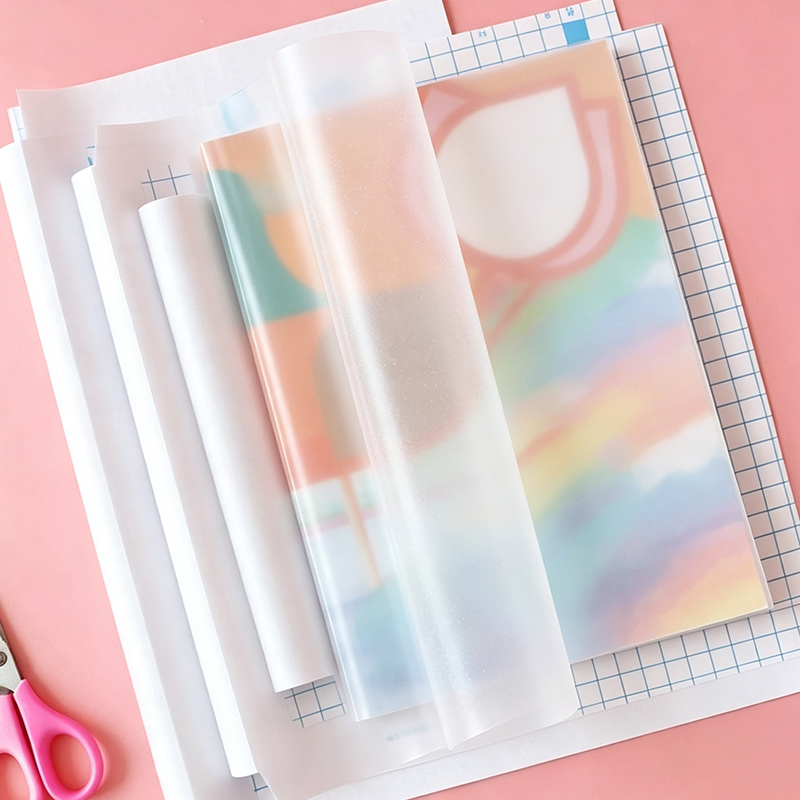
Why Do Different Paper Types Require Different Film Specifications?
Book covers can be produced using coated paper, art paper, cardboard, and other printing substrates. These materials differ in surface smoothness, stiffness, and absorbency, which can influence lamination results.
A film suitable for one substrate may require different processing conditions when applied to another. For example, a stiff cardboard cover may need different handling considerations from a flexible printed paper cover.
Before production, buyers should evaluate paper thickness, surface coating, and intended folding requirements. Testing the film with the actual substrate is a practical way to confirm compatibility before processing a large order.
Can Printing Ink Affect Film Adhesion?
Ink condition is an important factor in lamination quality. If printed sheets have not dried sufficiently, residual moisture or solvents may interfere with bonding and contribute to surface defects.
Printing companies should follow appropriate ink drying and curing requirements before applying the covering film. They should also check whether the printed surface contains coatings or additives that could influence adhesion.
Manufacturers and printing operators can work together to confirm suitable film specifications and processing conditions. This is particularly important for projects involving dense colors, large printed areas, or multiple finishing processes.
How Can Production Teams Avoid Peeling and Edge Defects?
Poor adhesion may become visible around book corners, edges, and spine areas. These defects can affect the appearance of finished publications and create additional inspection work.
Several production factors deserve attention:
- Ensure the printed substrate is clean and properly prepared.
- Check film and substrate compatibility before mass production.
- Maintain suitable temperature and pressure settings.
- Keep lamination rollers clean and correctly aligned.
- Inspect folded edges and corners after processing.
Regular sampling during production can help identify problems before an entire batch is completed.
Does Film Thickness Influence Finished Book Quality?
Film thickness affects the flexibility, handling characteristics, and appearance of a laminated cover. A specification that is too rigid for the intended design may create difficulties around folded areas, while an unsuitable thinner film may not provide the desired surface protection.
Buyers should consider the book format, cover material, expected handling conditions, and finishing equipment when selecting thickness.
A manufacturer can evaluate these requirements and recommend suitable options based on the intended application rather than simply suggesting a thicker product.
Which Surface Finish Works Better for Different Publications?
The appearance of a book cover influences its presentation and market positioning. Glossy PVC film creates a reflective finish that can enhance printed colors, making it suitable for illustrated books, educational materials, and colorful publications.
Matte film offers a softer visual effect with reduced reflection. It may be preferred for notebooks, business publications, and designs requiring a more understated appearance.
Printing companies should compare samples under different lighting conditions to ensure the selected finish complements the artwork.
What Should Buyers Expect from a Professional Film Manufacturer?
For overseas procurement teams, reliable specifications and consistent production are important when sourcing materials for repeat printing orders.
A professional manufacturer should be able to provide information about film thickness, roll dimensions, surface finishes, material characteristics, and applicable processing recommendations.
For customized orders, buyers should communicate their substrate type, printing process, equipment requirements, and expected purchasing volume. These details help manufacturers assess production feasibility and maintain consistency between approved samples and bulk orders.
How Can Better Film Selection Improve Book Cover Production?
Successful lamination depends on cooperation between material selection and production control. Paper characteristics, ink conditions, film thickness, surface finish, and machine settings all contribute to the final result.
As a manufacturer, we encourage printing companies, publishers, and distributors to evaluate their actual production requirements before purchasing PVC Film for Book Covering. By selecting compatible film specifications and confirming processing conditions in advance, businesses can reduce avoidable finishing defects, improve production consistency, and maintain the appearance of their finished book covers.
Copyright © Dongyang Lishi Plastic Co., Ltd.
