
 English
 中文简体
 русский
 Bahasa Melayu

How Can the Right PVC Film Improve Book Covering Quality?
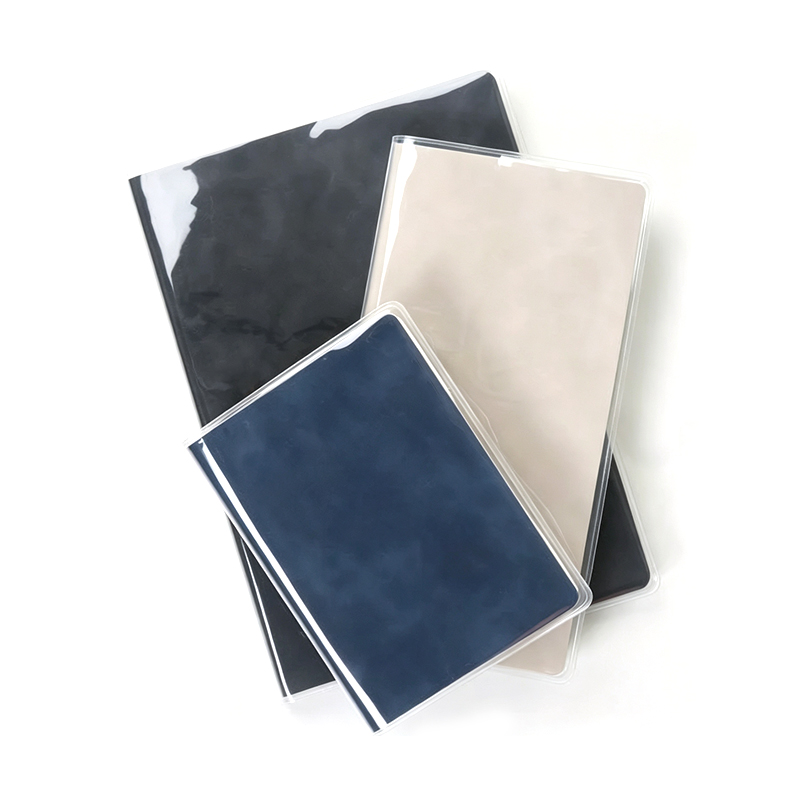
A book cover needs to do more than display a title or an attractive design. It also has to withstand repeated handling, friction during transportation, and everyday use while maintaining a clean appearance. For printing companies, publishers, and packaging buyers, choosing suitable PVC Film for Book Covering is therefore an important part of finished-product quality control. However, differences in film thickness, surface finish, flexibility, and processing conditions can affect the final result. Understanding how these factors work together helps buyers select materials that match their printing processes and product requirements.
Surface Finish Should Match the Book's Design
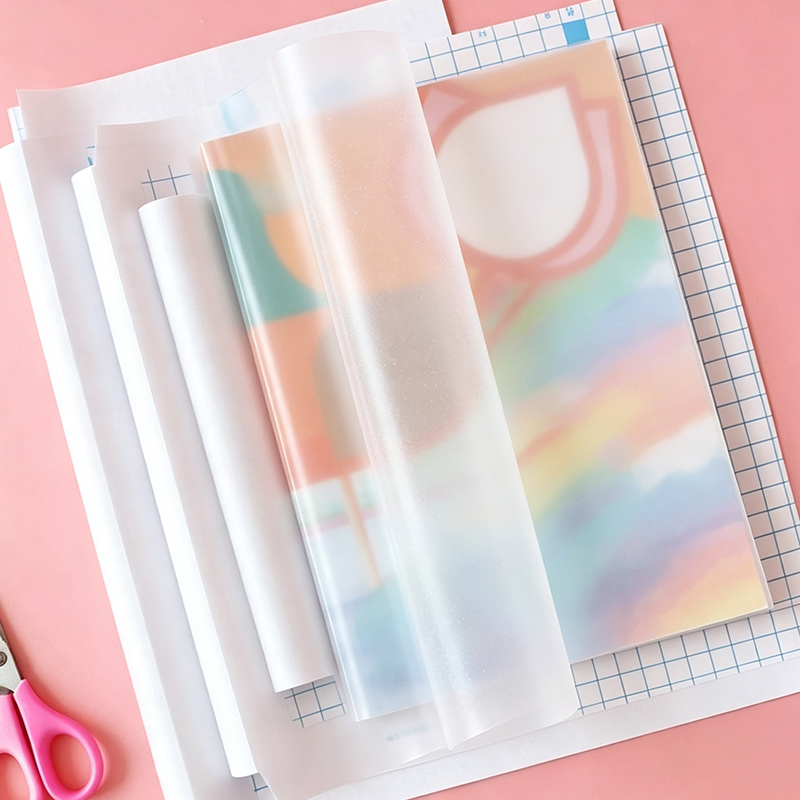
The appearance of a book cover often influences how readers perceive the product. Glossy finishes can make printed colors appear more vivid, while matte surfaces provide a softer visual effect and reduce reflections under certain lighting conditions.
For manufacturers and printing buyers, the choice should reflect the intended book style rather than appearance alone. Educational publications, notebooks, hardcover books, and promotional catalogs may have different presentation requirements.
When sourcing PVC film, buyers should review:
- Gloss or matte surface options
- Transparency and visual consistency
- Surface texture and tactile feel
- Compatibility with the printed design
- Resistance to visible handling marks
Requesting samples before bulk purchasing allows printing teams to compare the actual finish under their own lighting and production conditions.
Film Thickness Influences Processing and Finished Feel
Film thickness is an important specification, but selecting a thicker material does not automatically produce a better book cover. The appropriate choice depends on the cover structure, lamination equipment, desired flexibility, and intended use.
A film that is too rigid for a particular application may make folding or edge finishing more difficult. Conversely, a material that does not provide the required structure may fail to deliver the intended feel or protection.
Buyers should evaluate thickness together with flexibility and the construction of the finished cover. Manufacturers can support this process by providing available specifications and helping customers compare samples against their production requirements.
Preventing Bubbles and Wrinkles During Lamination
Bubbles, wrinkles, and uneven adhesion are common concerns in book-cover finishing. These problems may result from several factors, including unsuitable processing temperatures, inconsistent pressure, contaminated surfaces, trapped air, or an incompatible combination of film and adhesive.
Changing the film alone may not resolve every lamination issue. Printing teams should examine the complete process, including substrate preparation, machine settings, material storage, and operator technique.
A practical troubleshooting approach includes:
- Checking whether the printed surface is clean and dry
- Confirming that the film and adhesive are suitable for the process
- Reviewing temperature and pressure settings
- Inspecting rollers and other contact surfaces
- Testing a small production sample before full-scale processing
This helps identify whether the problem comes from the material, equipment, or operating conditions.
Flexibility Matters During Folding and Edge Finishing
Book covers often involve folding, trimming, and edge treatment after lamination. A film that performs well on a flat surface may behave differently when the finished cover is bent or processed around corners.
For this reason, buyers should assess how the selected PVC film performs throughout the entire converting process. Flexibility, surface integrity, and compatibility with the chosen finishing method are all worth checking during sample evaluation.
This is particularly relevant for hardcover books and products that require repeated handling, where the appearance of folded edges can influence the perceived quality of the finished item.
Consistent Material Quality Supports Production Planning
For printing businesses handling repeat orders, consistency between material batches is just as important as the performance of an individual sample. Differences in thickness, color appearance, transparency, or surface finish can create visible variations between production runs.
A dependable supply process should include clear product specifications and appropriate quality checks. Buyers may also ask suppliers how they manage raw material inspection, production monitoring, surface inspection, and batch identification.
These details make it easier to maintain consistent results when the same book design is produced over an extended period.
Storage and Handling Should Not Be Overlooked
Even suitable PVC film can develop processing problems if it is stored or handled incorrectly. Dust, scratches, excessive pressure, and unsuitable storage conditions may affect the surface before the material reaches the lamination machine.
Purchasing teams should confirm the supplier's recommended storage conditions and packaging arrangements. Production staff should also keep film rolls protected from contamination and inspect the material before use, especially when opening a new batch.
Good handling practices help reduce avoidable material waste and support a more stable production workflow.
Select a Supplier That Understands Your Production Process
Choosing book-covering film involves more than comparing prices and thickness specifications. Surface appearance, flexibility, lamination compatibility, batch consistency, and storage requirements all contribute to the final result. As a PVC Film for Book Covering manufacturer, we recognize that different printing applications require different material characteristics. By discussing the cover structure, finishing method, target appearance, and production conditions with buyers, manufacturers can recommend more suitable film options and support a smoother transition from sample evaluation to regular production.
Copyright © Dongyang Lishi Plastic Co., Ltd.
