
 English
 中文简体
 русский
 Bahasa Melayu

What Should Buyers Consider When Sourcing PVC Film for Modern Book Cover Production?
The publishing and printing industries are facing changing customer expectations, from attractive book finishes to more efficient material use and responsible sourcing. For printing companies, publishers, and packaging distributors, selecting suitable covering materials involves balancing appearance, processing performance, and purchasing costs. PVC Film for Book Covering remains an option for manufacturers seeking flexible surface protection and different decorative finishes. However, choosing the right product requires a clear understanding of material specifications, production requirements, and the expectations of the target market.
How Are Changing Printing Requirements Influencing Film Selection?
Book covers serve both protective and visual purposes. Educational publications, children's books, notebooks, and commercial catalogs may require different surface characteristics.
Some buyers prioritize scratch resistance for frequently handled books, while others focus on transparency to preserve printed colors and graphic details. Surface finishes also influence how a publication looks on retail shelves.
For manufacturers, selecting film according to the final application is more practical than relying on a single specification for every project. Understanding the intended book type and finishing process helps narrow down suitable material options.
Can the Right Film Thickness Reduce Material Waste?
Film thickness affects material consumption, flexibility, and finished cover characteristics. Selecting a thickness that is unsuitable for the application may increase costs without providing meaningful performance benefits.
Before purchasing, buyers should consider:
- The paper thickness and stiffness of the book cover.
- Whether the cover requires frequent bending.
- The required surface protection.
- Compatibility with existing lamination equipment.
- Roll dimensions and production cutting requirements.
A suitable specification helps printing businesses manage material consumption while maintaining the required finishing quality.
Is PVC Film Suitable for Different Book Cover Designs?
One advantage of PVC covering materials is their versatility in appearance and processing options. Depending on manufacturing capabilities, different finishes can support different publishing styles.
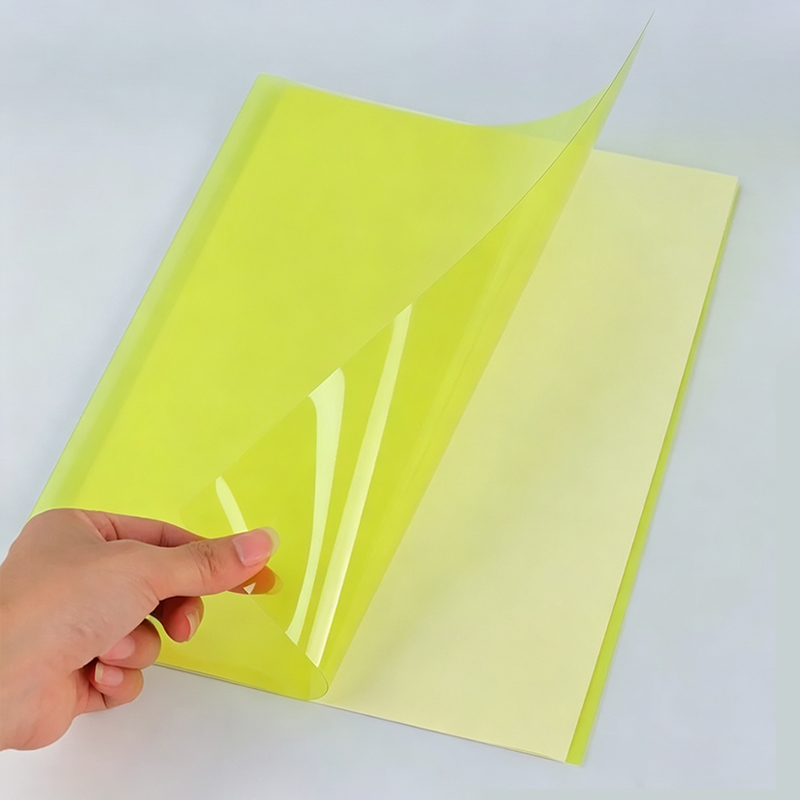
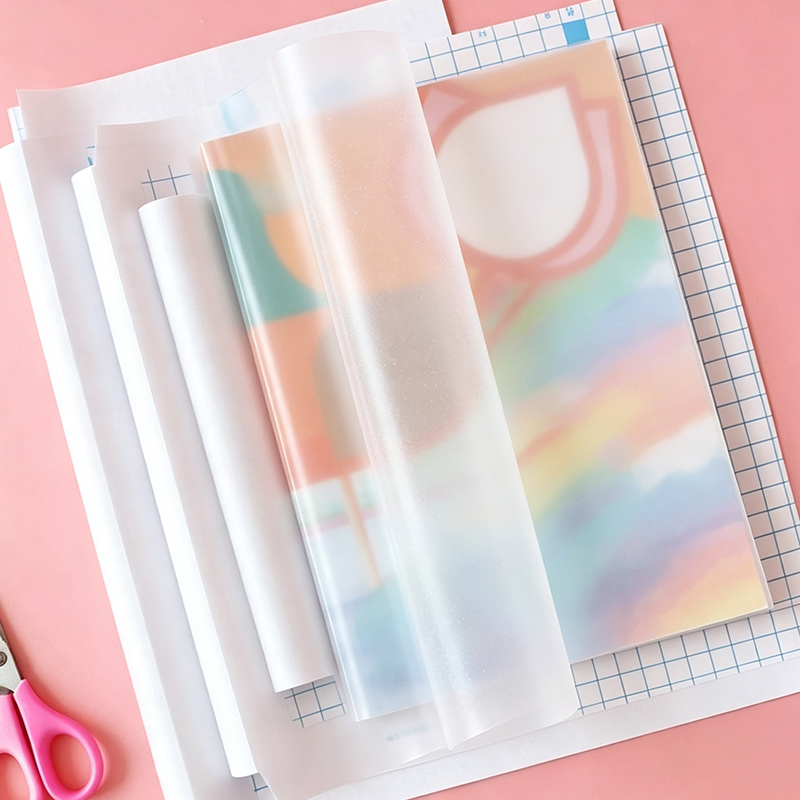
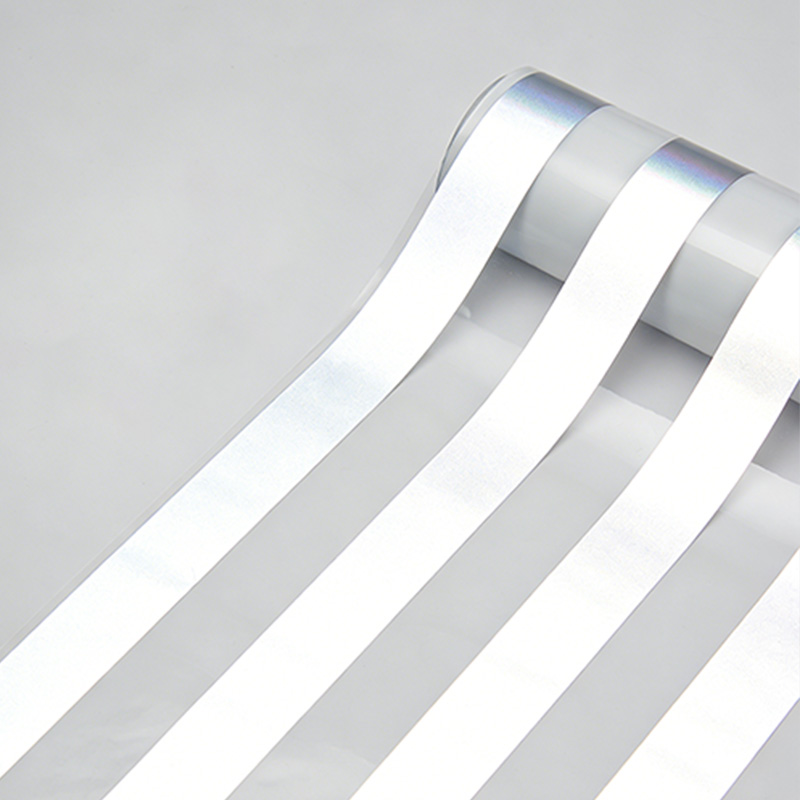
Glossy film creates a reflective surface that enhances visual brightness, while matte film provides a softer appearance with less reflection. Transparent options allow printed artwork to remain visible while adding a protective surface layer.
These choices give publishers and printing companies more flexibility when developing product collections. Sample evaluation is recommended to confirm that the selected finish matches the printed design.
What Should Buyers Know About Environmental Requirements?
Environmental considerations are becoming increasingly relevant in international printing and packaging procurement. Buyers are paying more attention to material composition, applicable regulations, and supplier documentation.
PVC is a plastic material, so purchasers should evaluate the requirements of their destination markets rather than assume that every PVC film meets the same environmental standards.
When sourcing materials, procurement teams can ask suppliers about:
- Material composition and available technical documentation.
- Applicable chemical compliance requirements.
- Product handling and storage recommendations.
- Available alternatives if specific market requirements apply.
Clear communication at the quotation stage helps prevent compliance misunderstandings and supports more responsible purchasing decisions.
How Can Manufacturers Support Customized Purchasing Requirements?
Printing businesses often work with different machine configurations and product dimensions. Standard film sizes may not always match their production arrangements.
A manufacturer with customization capabilities can assess requirements such as film thickness, roll width, surface finish, and packaging specifications.
For bulk orders, buyers should provide intended applications and equipment details. This allows manufacturers to evaluate production feasibility and recommend appropriate specifications instead of relying on assumptions.
Consistent production controls are equally important, helping maintain uniformity across repeat orders and reducing unnecessary adjustments during processing.
Why Is Supplier Consistency Important for Long-Term Procurement?
A suitable supplier should offer more than competitive pricing. Material consistency, delivery coordination, technical communication, and quality inspection all influence the purchasing experience.
Printing companies should evaluate sample quality, specification accuracy, production capacity, and the supplier's ability to handle repeat orders. It is also useful to establish clear acceptance criteria before mass production.
These steps help purchasing teams manage inventory more effectively and reduce the risk of receiving materials that differ from approved samples.
Are You Selecting the Right Film for Your Next Printing Project?
Successful book cover production depends on matching material characteristics with design requirements, processing conditions, and market expectations. Thickness, flexibility, surface finish, and regulatory considerations should all be reviewed before confirming an order.
As a manufacturer, we understand that different printing businesses require different material configurations. When sourcing PVC Film for Book Covering, overseas buyers should communicate their application, technical specifications, and purchasing requirements clearly. With appropriate product selection and consistent manufacturing support, businesses can improve production planning, maintain finished-cover quality, and develop a more reliable material supply chain.
Copyright © Dongyang Lishi Plastic Co., Ltd.
