
 English
 中文简体
中文简体 русский
 Bahasa Melayu
Why Does Surface Protection Matter in Transparent PVC Film Production?
Transparent film presents a particular quality challenge: minor surface defects can be easy to overlook during handling but become obvious when the material is used in a finished product. Scratches, dust, creases, and uneven surfaces may affect the appearance of display panels, protective covers, packaging components, and other clear products. For manufacturers and wholesale buyers, maintaining a clean surface from production through delivery is an important part of achieving consistent results.
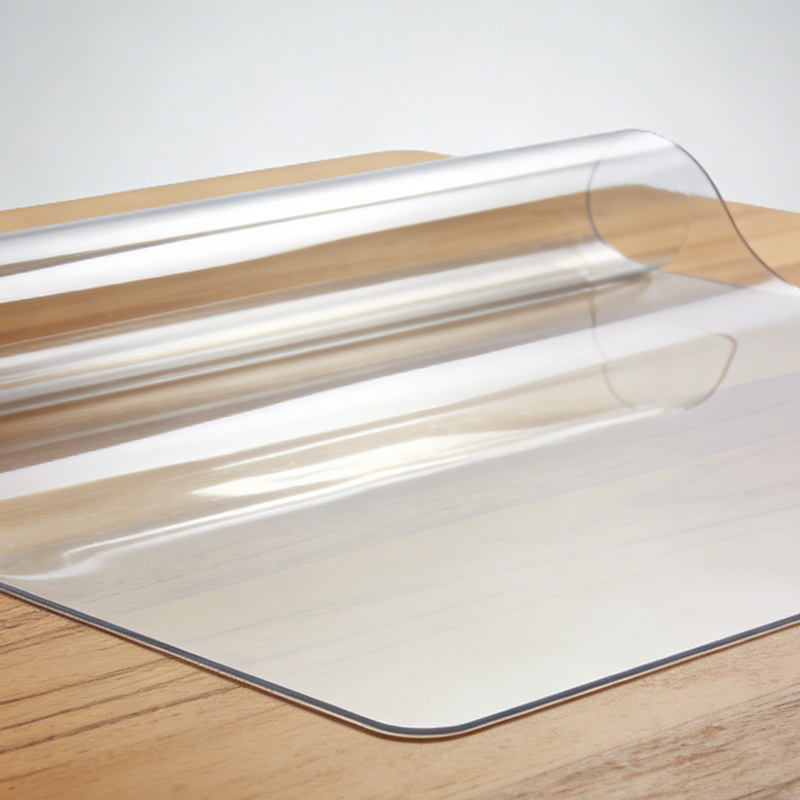
Small Surface Defects Can Affect Finished Products
The appearance of transparent materials depends on more than the clarity of the raw resin or the nominal thickness of the film. Marks introduced during processing, winding, storage, or transportation can reduce visual quality, especially when the film is placed against a contrasting background or used to display an item.
When evaluating PVC Super Clear Film, buyers should inspect the material under suitable lighting and from different viewing angles. This can help reveal scratches, particles, wrinkles, and other visible imperfections that may not be obvious in a tightly wound roll.
Manufacturers should also define acceptable appearance criteria according to the intended application. A decorative display component may require different inspection priorities from a film used in a less visible protective application.
Control Surface Contact During Production
During film production and conversion, the material may pass through rollers, guiding components, winding equipment, and cutting stations. If contact surfaces are dirty, damaged, or unsuitable for the material, defects can be transferred to the film.
Production teams should therefore maintain clean equipment surfaces and inspect components that come into direct contact with the material. Dust and residues should be removed using methods compatible with the equipment and film specification.
Web tension and alignment also deserve attention. Excessive tension or uneven winding can contribute to wrinkles, edge deformation, or handling difficulties. Appropriate settings depend on film thickness, width, flexibility, and the characteristics of the production line, so they should be verified under actual operating conditions.
Prevent Creases and Roll Deformation
A roll may appear acceptable from the outside while containing uneven winding or localized deformation. Once the material is unwound, these conditions can create feeding problems or visible defects in the finished product.
To reduce this risk, manufacturers should monitor roll alignment, winding tension, and edge formation during production. Buyers should confirm the required roll width, core diameter, winding direction, and packaging arrangement before placing an order.
For applications that require precise cutting or automated feeding, stable roll geometry can be particularly important. Consistent winding makes the material easier to handle and helps production teams identify whether a problem originates in the roll or in the downstream equipment.
Choose Packaging That Protects the Film
Packaging should protect transparent film against dust, abrasion, moisture exposure, and physical pressure during storage and transportation. The suitable method depends on roll size, material characteristics, shipping conditions, and how the product will be handled after delivery.
Before confirming an order, buyers can review several practical details:
- Whether the roll edges are protected against impact
- Whether the outer packaging limits dust and surface contamination
- Whether the core provides adequate support during handling
- Whether the package is labeled with material and batch information
- Whether the packing arrangement is suitable for the expected transport route
Packaging cannot eliminate every handling risk, but a clearly defined method helps reduce avoidable damage and makes receiving inspections more consistent.
Manage Storage Conditions Before Processing
After delivery, storage practices can influence how easily the film enters production. Rolls should be kept in a clean, dry environment under the manufacturer's recommended conditions and protected from direct sunlight or excessive heat where these may affect the material.
Heavy objects should not be placed on rolls unless the packaging and storage arrangement are designed to support the load. Unnecessary movement should also be limited to reduce the risk of edge damage and surface contact.
Before processing, operators can inspect the packaging, verify the product identification, and check a sample section of the film. This provides an opportunity to identify visible damage before the material is committed to cutting, printing, laminating, or forming.
Use Batch Records to Improve Consistency
When a buyer orders the same specification repeatedly, maintaining consistency between shipments becomes an important procurement consideration. Differences in appearance, dimensions, or winding quality may create extra adjustments when the material is used in established production processes.
Manufacturers can support repeatability through documented specifications, production batch identification, inspection records, and consistent packaging procedures. If a defect is reported, these records can help the production team investigate the relevant manufacturing stage and determine an appropriate corrective action.
For buyers, retaining approved samples and recording incoming inspection results provides a useful reference for future orders. It also makes communication clearer when a specification or appearance requirement needs to be reviewed.
Align Quality Expectations Before Shipment
Surface protection works ideal when both manufacturer and buyer agree on the required standard before production begins. The order specification should identify the intended application, acceptable appearance, roll dimensions, packaging requirements, and any special handling instructions.
For a PVC Super Clear Film manufacturer, integrating these requirements into production inspection and delivery preparation helps connect material quality with the customer's actual use. By controlling surface contact, winding, storage, and packaging, manufacturers can reduce avoidable handling defects and provide buyers with a more dependable basis for consistent downstream processing.

Copyright © Dongyang Lishi Plastic Co., Ltd.
